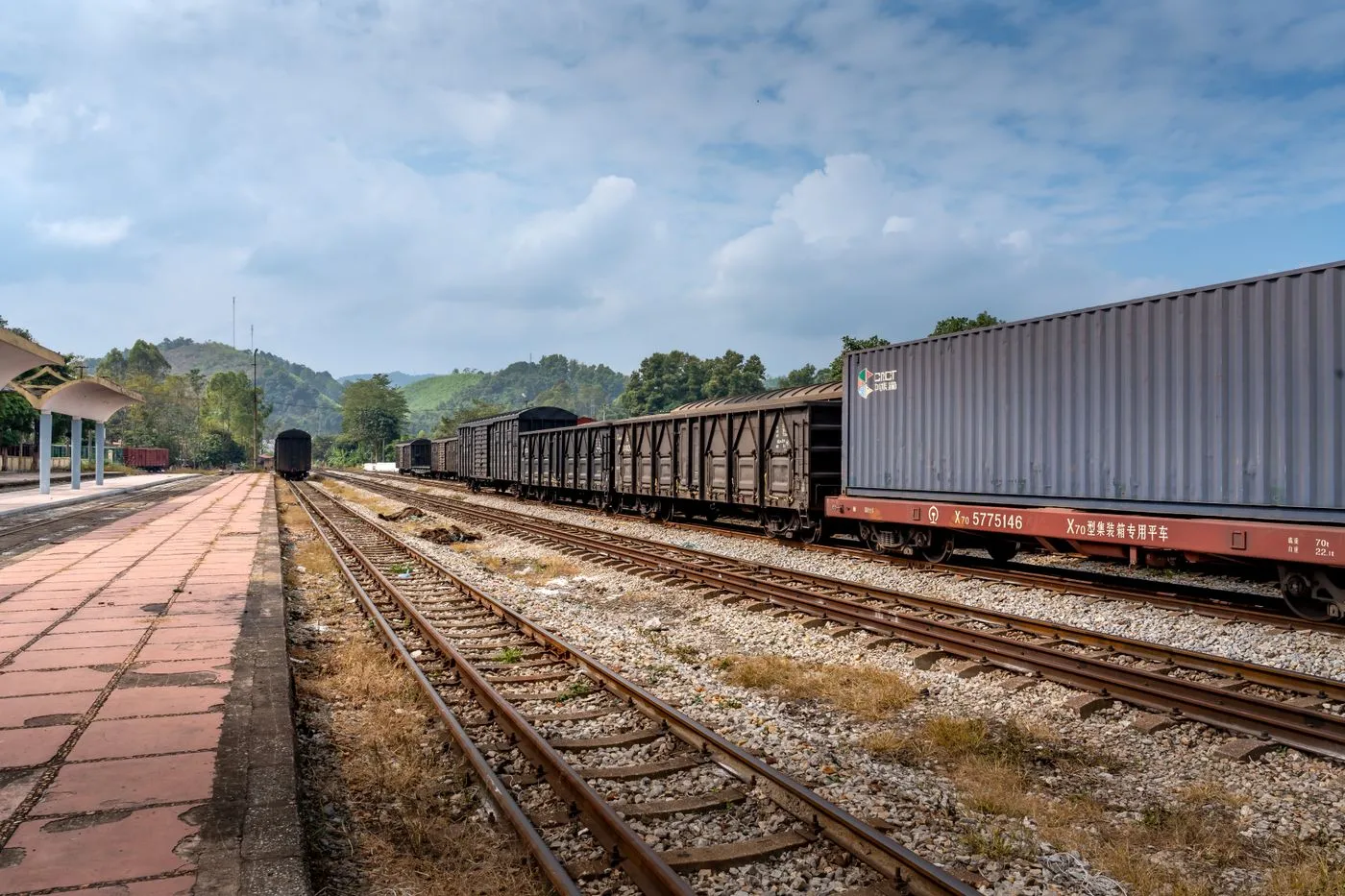
In September 2023, participating governments announced the India Middle East Europe Economic Corridor and signed a memorandum on its principles. The proposed system would connect India with the Gulf and Europe through maritime and rail links, supported by energy and digital infrastructure. The European Union described a route integrating ports and railways across the United Arab Emirates, Saudi Arabia, Jordan and Israel, with wider connections for goods, energy and data.
The strategic logic is clear. A better connected trade system can reduce friction, create alternatives to concentrated routes and support industrial relationships across three regions. Yet a map and a memorandum do not establish a corridor. They establish a political intention that must be converted into a sequence of technical, commercial and institutional decisions.
The difficult work begins at the interfaces. Different countries own different sections. Ports, rail operators, customs authorities, utilities and private investors follow separate mandates. Unless these parties agree how the system will operate, individual assets may be completed without producing a functioning corridor.
Corridor value depends on continuity
A corridor is only as effective as its slowest transfer. Cargo may move efficiently by sea and then wait at a port because rail capacity is unavailable. A modern railway may be underused because border procedures remain manual. Digital documentation may be introduced while standards differ between jurisdictions.
Project development should therefore begin with the operating journey, not with a list of assets. How will cargo be booked, transferred, inspected and released? Which organisation takes responsibility at each interface? What information must travel with the cargo? How are delays and damage handled when several operators are involved?
Economic corridors fail when every section is planned as a successful project but no institution is responsible for the complete journey. This does not require one owner for the entire corridor. It requires common operating principles, compatible technical standards and a governance mechanism capable of resolving cross-border issues. The physical links and the institutional links must be developed together.
Demand must come before infrastructure packaging
Political momentum can encourage early announcements of railways, terminals, logistics zones and energy links. Before projects are packaged, sponsors need a credible view of demand. Which cargo flows are expected to use the route? What volumes are likely in the early years? Which sectors value faster or more resilient delivery enough to change established routes?
The answer affects almost every investment decision. Rail capacity, port equipment, storage, customs facilities and logistics zones should reflect the type and timing of demand. A corridor designed around general volume projections may overbuild some sections and underprovide others.
Demand analysis should also recognise competition. Existing maritime routes will not disappear. Shippers will compare cost, reliability, transit time and administrative complexity. The new corridor will need a clear commercial proposition, not only strategic support.
Country interfaces are the main delivery risk
The participating governments can align on the value of the corridor while differing on priorities, procurement methods and timetables. One country may focus on port expansion, another on rail, and another on energy connections. These choices can be rational locally and still produce a fragmented regional programme.
A corridor-level development framework should identify dependencies and minimum operating conditions. It should establish which sections must be available before commercial service can begin, which investments can be phased and which standards require early agreement.
Border and customs processes deserve the same attention as civil works. A physical connection does not reduce transit time if data is repeatedly entered, inspections are duplicated or responsibilities are unclear. Digital systems can help, but only after countries agree the legal and operational treatment of information.
Develop the corridor as a programme of investable projects
The corridor is too large to be financed, procured and delivered as one contract. It should be structured as a programme containing individual projects with clear sponsors, revenue logic, risk allocation and interfaces.
Some components may be publicly funded because they provide strategic connectivity. Others may support concessions, private terminals, logistics facilities, utility agreements or availability-based structures. The appropriate model will differ by asset and jurisdiction.
Programme governance should not force uniform financing where economics differ. Its purpose is to ensure that the projects remain compatible. A port concession, railway package and digital system may use different commercial structures while following a common corridor timetable and operating framework.
Consortiums will need more than construction capability
International EPC contractors and engineering firms may see significant opportunity in the proposed corridor. Participation will require more than a strong construction record. Bidders will need local partners, knowledge of national procurement requirements and an ability to manage interfaces beyond their immediate package.
Technology providers may find opportunities in customs systems, cargo visibility, energy networks, communications and terminal automation. Their solutions will need to integrate across operators and countries. A technically advanced platform that depends on one authority changing its processes may face greater risk than a conventional infrastructure package.
Developers and investors will need clarity on demand, payment arrangements and government responsibilities. Political commitment is important, but bankability depends on enforceable agreements, allocation of cross-border risk and a reliable route from construction to operation.
What should happen next
The immediate priority should be to convert the corridor concept into a shared development programme. That means defining the operating model, testing demand, mapping existing infrastructure and identifying the first set of projects that can create measurable connectivity.
Sponsors should resist the temptation to package projects before cross-border dependencies are understood. Early market engagement can test whether delivery models, qualifications and timetables are realistic. It can also identify where public investment or institutional support is needed to make private participation credible.
The corridor has the potential to create a new infrastructure relationship between India, the Gulf and Europe. Its success will not be determined by the ambition of the announcement. It will be determined by whether many institutions can convert that ambition into compatible, investable and operational projects.