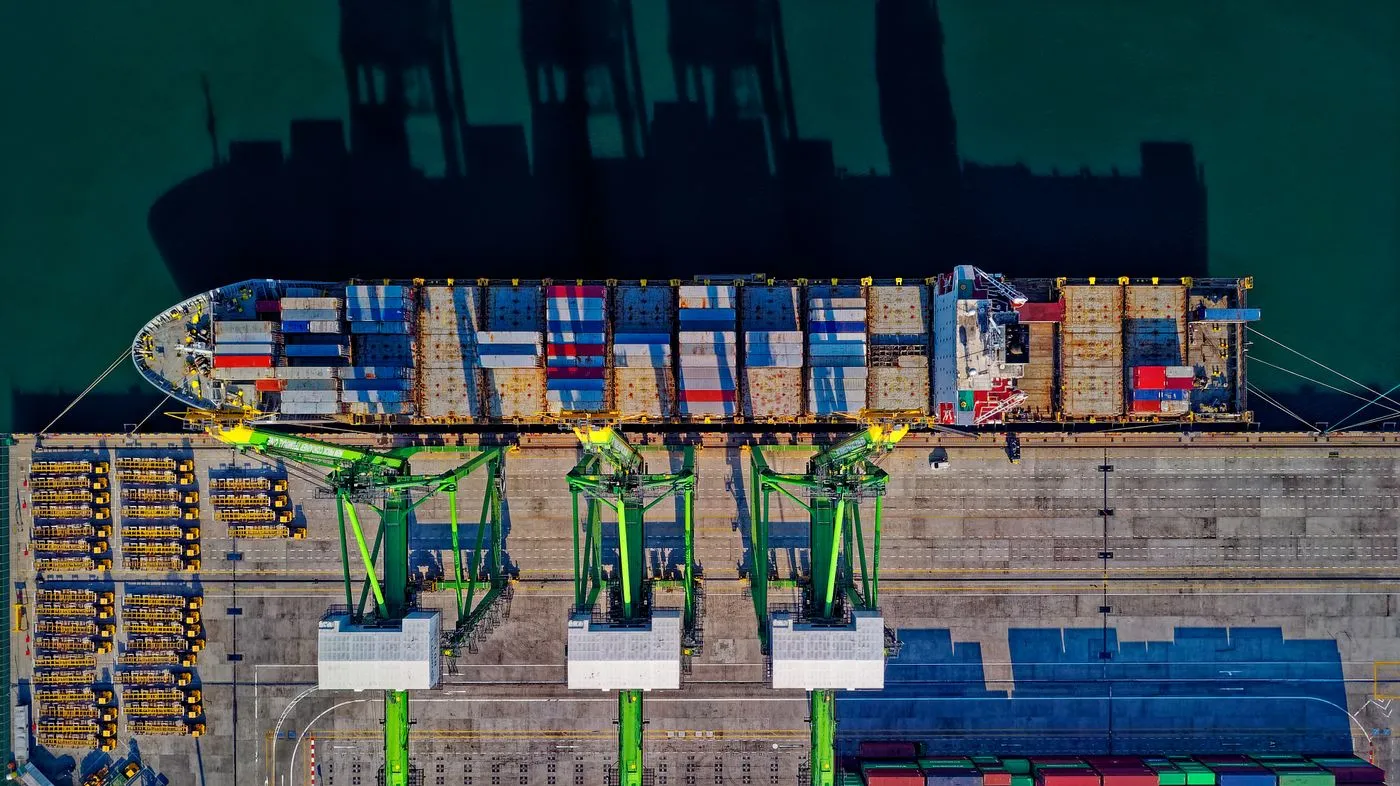
On 29 March 2021, the Suez Canal Authority announced that the container ship Ever Given had been successfully refloated after obstructing the canal for almost a week. Navigation could resume, but the operational effects were not confined to the vessels waiting at either end of the waterway. Cargo schedules had moved, port calls had been disrupted and an already strained container market faced another shock.
For infrastructure projects, the incident was a reminder that the supply chain is not separate from the project. A construction programme can be technically sound, adequately financed and commercially agreed, yet still depend on one transformer, one turbine component or one specialist package arriving through a narrow transport route at a specific time.
UNCTAD observed in May 2021 that the blockage triggered a renewed increase in container spot freight rates at a time when the market had only begun to stabilise after the disruption caused by the pandemic. The immediate commercial pressure mattered, but the deeper lesson concerned concentration. A project schedule can be governed by a route that the project team does not control.
The weakest route can govern the whole schedule
Project schedules usually present procurement as a sequence of design release, purchase order, manufacturing, inspection, shipment and site delivery. That sequence is necessary, but it can create a false sense of control. Between the factory gate and the construction site lie ports, vessel availability, canal passages, customs procedures, inland transport permits and storage capacity.
The critical path is often described through engineering and construction activities. It should also identify the transport dependencies attached to critical equipment. A delayed bulk item may be inconvenient. A delayed item that closes a system, prevents testing or blocks energisation can determine the completion date of the entire project.
The supply chain is part of the project design. It should not be treated as an administrative function that begins after equipment has been ordered. This distinction is especially important for large or unusual cargo. Heavy electrical equipment, process modules, cranes, turbines and pressure vessels may require specialist ships, lifting equipment, reinforced routes and permits. The number of technically viable alternatives may be small. A route that works for normal containerised goods may not work for the component that matters most.
Critical cargo needs a route strategy
A credible logistics strategy begins with classification. Project teams should distinguish between ordinary cargo, long-lead items, oversized equipment and components that are both difficult to replace and essential to commissioning. The most critical items deserve a route assessment before the procurement package is issued.
That assessment should consider more than distance and freight price. It should ask whether alternative ports can handle the cargo, whether suitable vessels are available, whether inland roads and bridges can carry the load, and whether storage is available if the construction sequence changes. The objective is not to create a costly alternative for every shipment. It is to identify where one failure could stop the project.
A second source may be justified for some equipment, but dual sourcing is not always practical. Technical standardisation, warranties, design interfaces and operating requirements can make substitution difficult. In such cases, resilience may come from earlier ordering, route flexibility, reserved transport capacity or additional schedule allowance rather than a second supplier.
Ports and inland logistics belong in project planning
The Suez blockage focused attention on a maritime chokepoint, but project logistics can fail at smaller interfaces. A port may lack storage space. Customs documentation may not be ready. A heavy-haul route may require temporary works. The site may not have the crane capacity to receive equipment when a vessel arrives.
This is why logistics planning should connect procurement, construction and site readiness. The delivery date agreed with a manufacturer should reflect when the site can receive and protect the equipment, not merely when production will be complete. Early delivery can create damage, storage and working capital costs. Late delivery can leave labour and equipment idle.
The UNCTAD resilient maritime logistics programme later used the Port Said and Suez obstruction as a case study in the consequences of access channel disruption, noting the wider effects on ports, logistics companies and alternative transport arrangements. The practical point for project sponsors is that a canal or port incident can change the assumptions behind several contracts at once.
Contracts do not replace operational preparation
Project participants will examine force majeure, relief events, extension of time and price adjustment. Those provisions matter, but they determine how consequences are allocated after disruption. They do not move the cargo, secure a vessel or recover lost sequencing.
A sponsor may receive contractual relief and still face a delayed operating date. An EPC contractor may obtain an extension and still carry additional overhead. A supplier may be excused from one obligation while the wider project loses revenue. The commercial framework should therefore support operational resilience rather than substitute for it.
The most useful contractual questions are practical. Who selects the route? Who carries the cost of diversion? When must a party notify the others? Can the sponsor direct early shipment or alternative storage? What evidence is required to establish delay? How do transport changes affect insurance and title? These points should be coordinated across the supply, EPC, logistics and insurance arrangements.
What project sponsors should change
The response should not be to add generic contingency to every schedule. Broad allowances are easily consumed and provide little guidance when a disruption occurs. Sponsors should identify the specific cargo and routes that govern commissioning, assign ownership for logistics decisions and define escalation thresholds.
Procurement teams should involve construction and logistics specialists before major packages are tendered. EPC bidders should be asked to describe route assumptions and alternatives for critical equipment. Project controls should track manufacturing, transport readiness, port handling and site acceptance as one connected workstream.
The Ever Given was an exceptional event, but the underlying exposure was ordinary: concentrated routes, tightly sequenced delivery and limited visibility across contracts. The lesson is not that every blockage can be predicted. It is that major projects should know which transport failure would matter most, and what decision would be required if it occurred.